

Sahara Conservation’s News
December 2025
Welcome to Sahara Conservation’s newsletter!
From the return of field missions to new partnerships for species conservation, the past months have been rich in action across the Sahel and Sahara. Here’s a quick look at some of our latest highlights.
Sahara Conservation at the 2025 IUCN World Congress
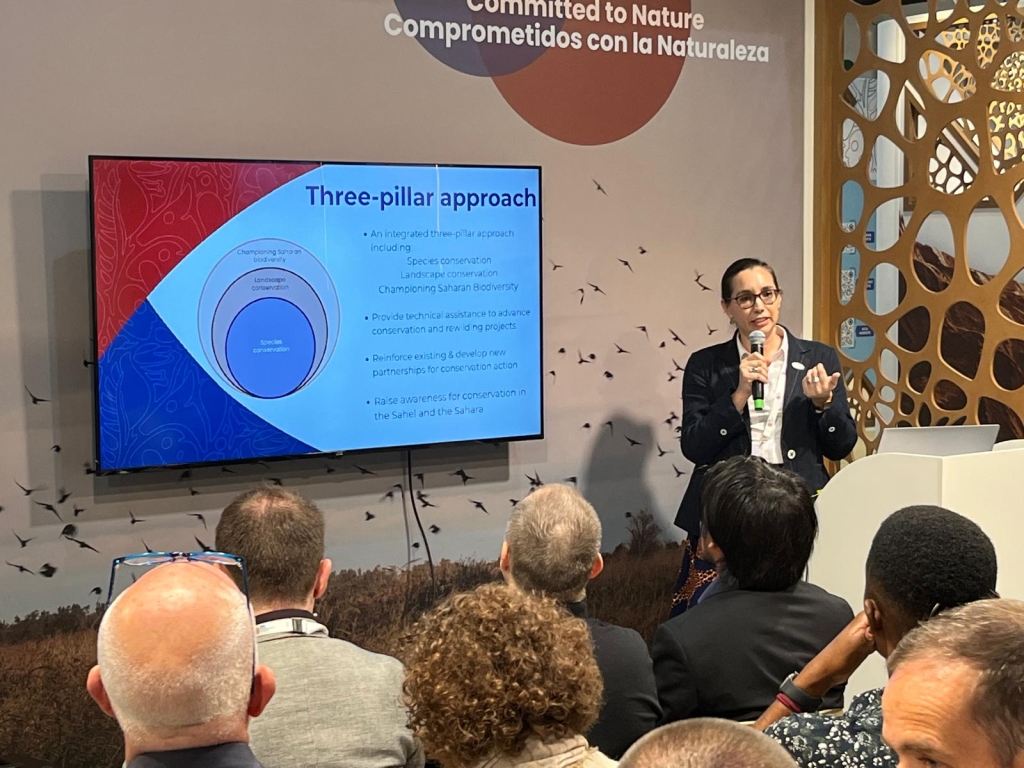
From 9 to 15 October, Sahara Conservation took part in the 2025 IUCN World Conservation Congress in Abu Dhabi, a global gathering that every four years brings together thousands of conservation experts and decision-makers.
During the event, our partner Play for Nature presented a publication highlighting how sport can inspire environmental action and mobilize communities for conservation. Representing Sahara Conservation, Violeta Barrios, Chief Operating Officer, joined a panel discussion to share concrete examples of how sport can be used as a tool to support the conservation of threatened species in the Sahara.
She highlighted the Koutous Sports and Nature Games in Niger, the second phase of an innovative initiative led by Sahara Conservation in collaboration with Play for Nature and APRC Mécénat.
This project uses sport to strengthen community ties and raise awareness among young generations about the importance of protecting biodiversity.
In 2024 – 2025, 192 young people took part in four major community events in rural Niger, attracting over 1,300 spectators who came together to celebrate both sport and conservation.
“The combination of sport and biodiversity helped solve many of the challenges […], particularly how to bring people together and raise awareness on a topic that doesn’t directly relate to our usual work. It not only offers a new form of awareness-raising but also contributes to the long-term protection of the environment.” said Maimounatou Ibrahim Mamadou, manager of Sahara Conservation’s ostrich breeding sites in Niger.
FROM THE FIELD
Safeguarding bustards of Sahelian grasslands
In the past, six bustard species could be found in the Ouadi Rimé–Ouadi Achim Faunal Reserve (OROAFR). Today, only three species are still observed there: Denham’s Bustard (Neotis denhami), the Arabian Bustard (Ardeotis arabs), and the Nubian Bustard (Neotis nuba).
These birds, classified as Near Threatened on the IUCN Red List, face several threats, including habitat degradation, nest disturbance by livestock, and bushfires. However, the full extent of these pressures remains poorly understood, and some factors, such as natural nest predation, have yet to be studied. To address these knowledge gaps, Sahara Conservation and the Swiss Ornithological Institute launched the “Bustard Study and Conservation Program in the OROAFR” in 2024.
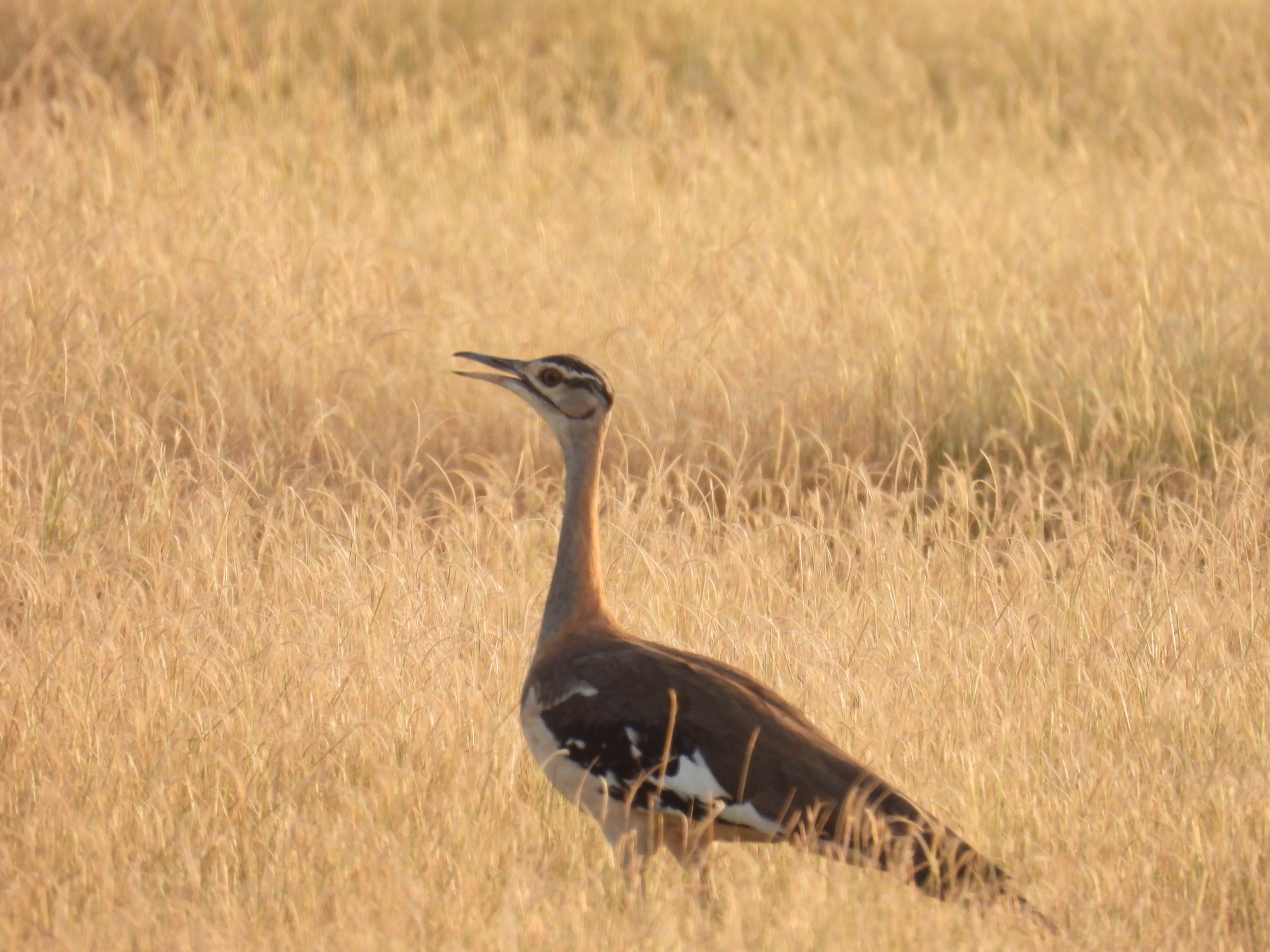
As part of the program, a second field mission was carried out in September, during which a female Denham’s bustard was fitted with a transmitter. The mission was conducted in collaboration with the Chadian Directorate of Wildlife and Protected Areas, the Zoological Society of London and Endangered Wildlife Trust, The data collected will provide new insights into the species’ behaviour and habitat use in this part of Africa.
Saving one of the world’s rarest antelopes
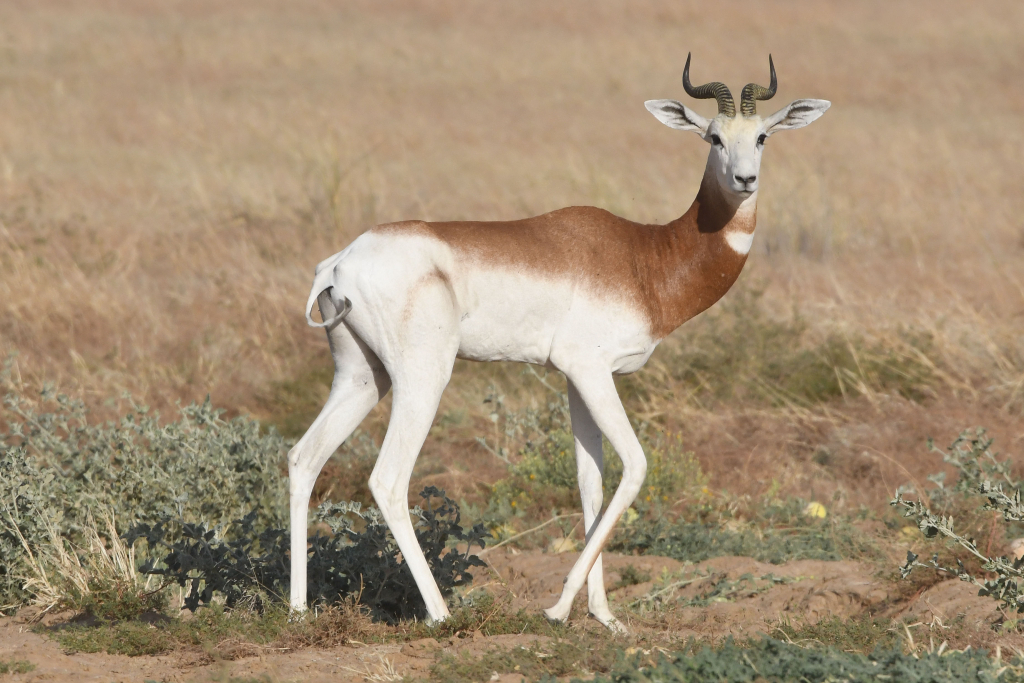
Faced with the imminent risk of extinction of the Dama Gazelle, Sahara Conservation has been leading an ambitious captive breeding program since 2020 in the OROAFR in Chad. An initial founding group was formed from Dama gazelles captured in Chad, progressively strengthened with additional individuals provided by the Environment Agency – Abu Dhabi (EAD).
At the end of October, four new dama gazelles from EAD were introduced into the enclosures, followed by a complete health assessment of the entire group: vaccinations, medical checks, and the fitting of GPS collars on selected individuals.
In early November, ten individuals, including five adults equipped with GPS collars, were released into the reserve, marking a new step forward for the restoration of this emblematic Sahelian species. The collars will allow us to track their movements and monitor their integration into the wild population of the reserve, which currently numbers around 50 individuals.
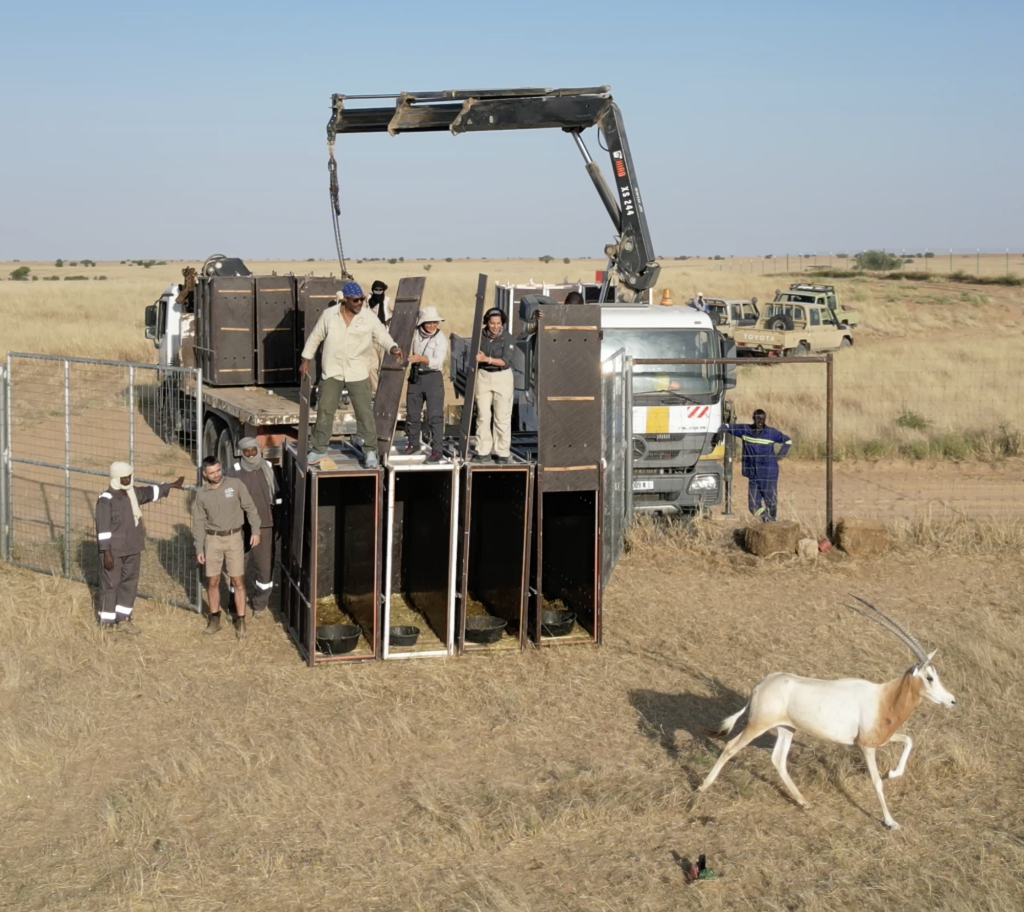
At the same time, ten Scimitar-horned Oryx and ten Addax were successfully transported from Abu Dhabi to Chad. After arrival, they were moved to acclimatisation pens before their release into the wild. Since 2016, 21 transfers have enabled the reintroduction of 355 scimitar-horned oryx and 140 addax into their natural habitat, a remarkable achievement that has brought both species back to roam freely across their historic range after decades of disappearance.
Recent tracking data provide valuable insights into how reintroduced oryx use the vast landscape. For example, animals released in late 2024 were observed travelling more than 100 km from the release site within weeks, highlighting their ability to explore and adapt to vast desert landscapes. Analyses of these data also help refine future release strategies, confirming the importance of tracking individuals to better understand population dynamics over time.
Facing the flames: protecting grasslands in Central Chad
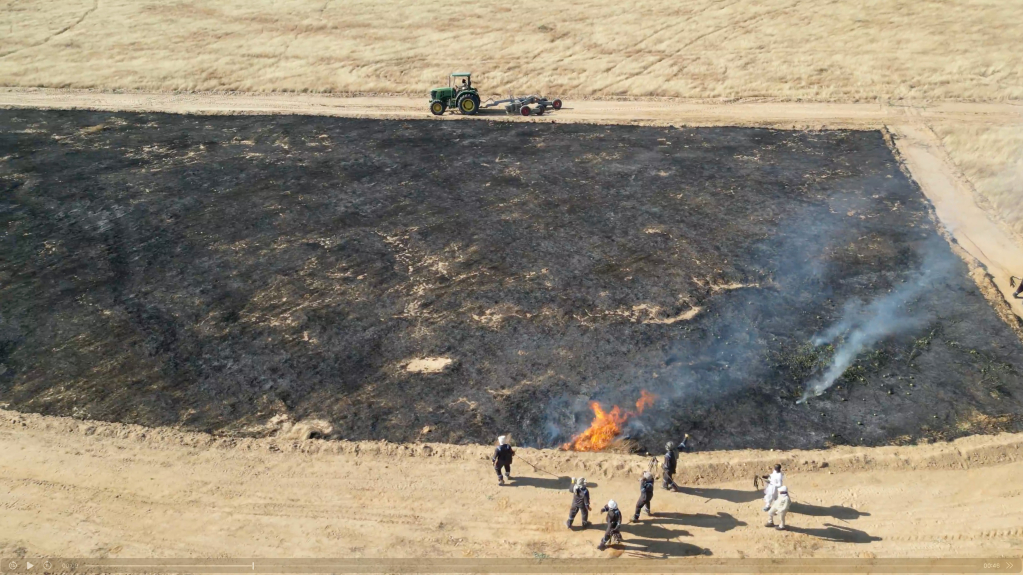
Bushfires remain one of the most serious threats to the OROAFR, destroying thousands of square kilometers of vegetation each year and threatening both wildlife and pastoral livelihoods.
With support from partners such as PREPAS, and the local awareness and anti-poaching association of Arada, over 500 km of firebreaks are opened and maintained annually around key reintroduction areas and grazing zones. Such partnerships reinforce our joint efforts to protect biodiversity while supporting sustainable pastoral practices.
Two dedicated teams (Rambo for firebreaks and firefighting, and Tango for awareness and prevention) work alongside local communities to maintain and create firebreaks, fight fires and raise awareness for fire prevention in the reserve. In parallel, Community Vigilance and Action Committees coordinate alerts and interventions with rangers and local leaders.
Since July 2025, over 5,000 people have been reached through awareness sessions, reinforcing local capacity to prevent and respond to fires.
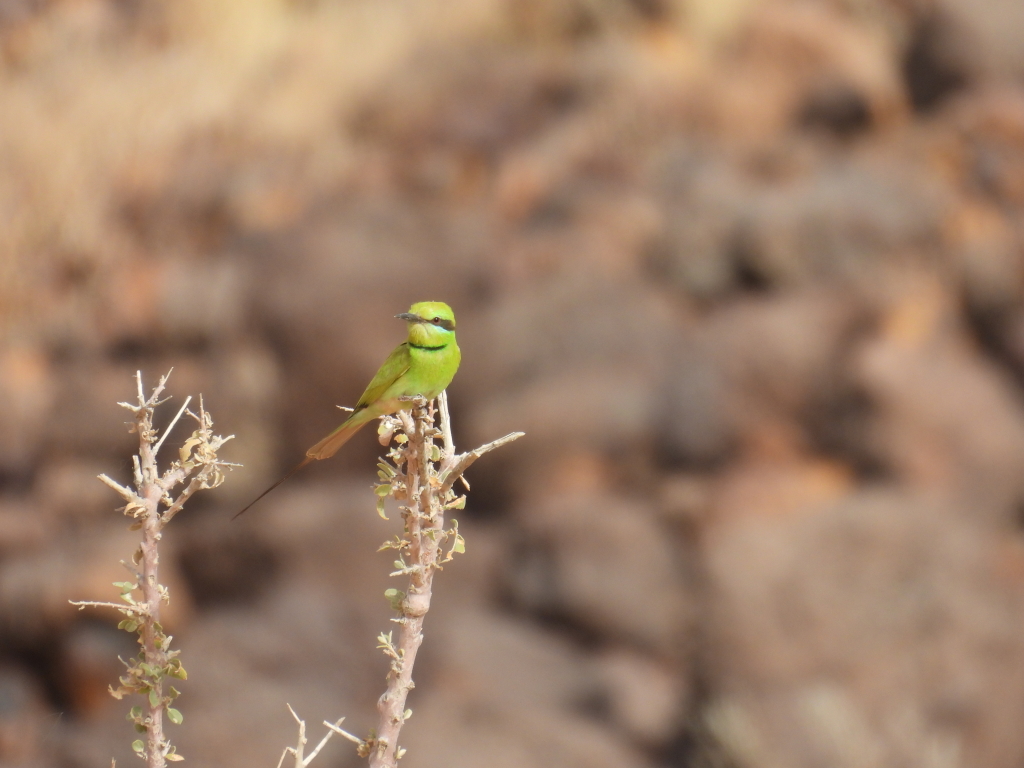
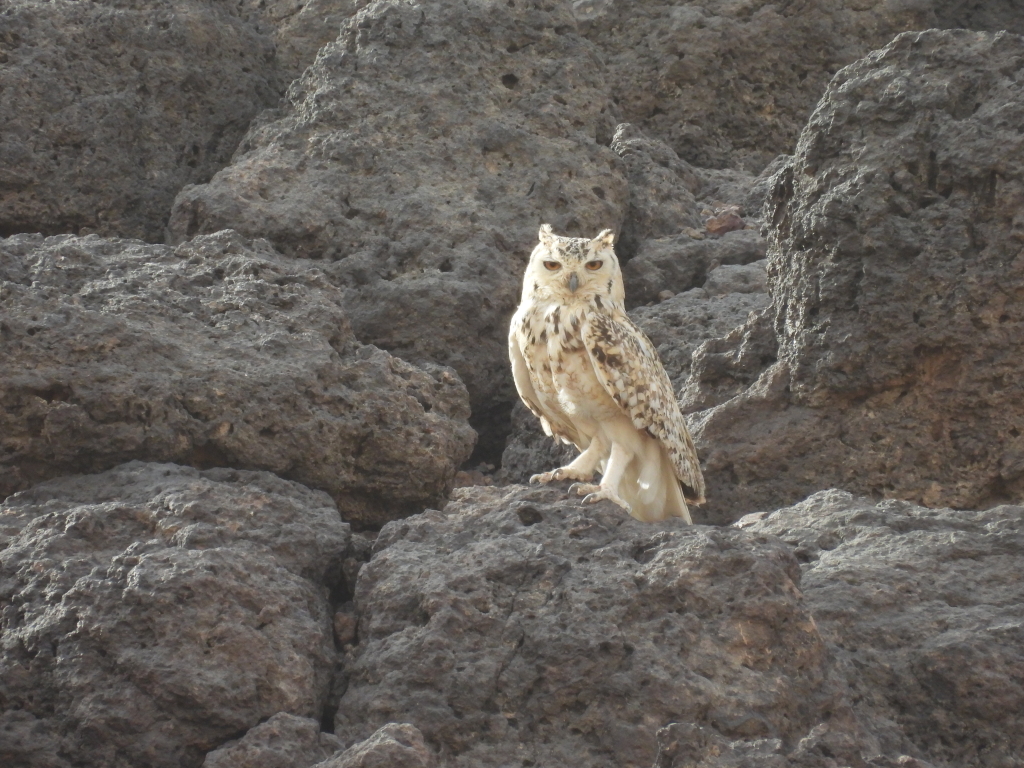
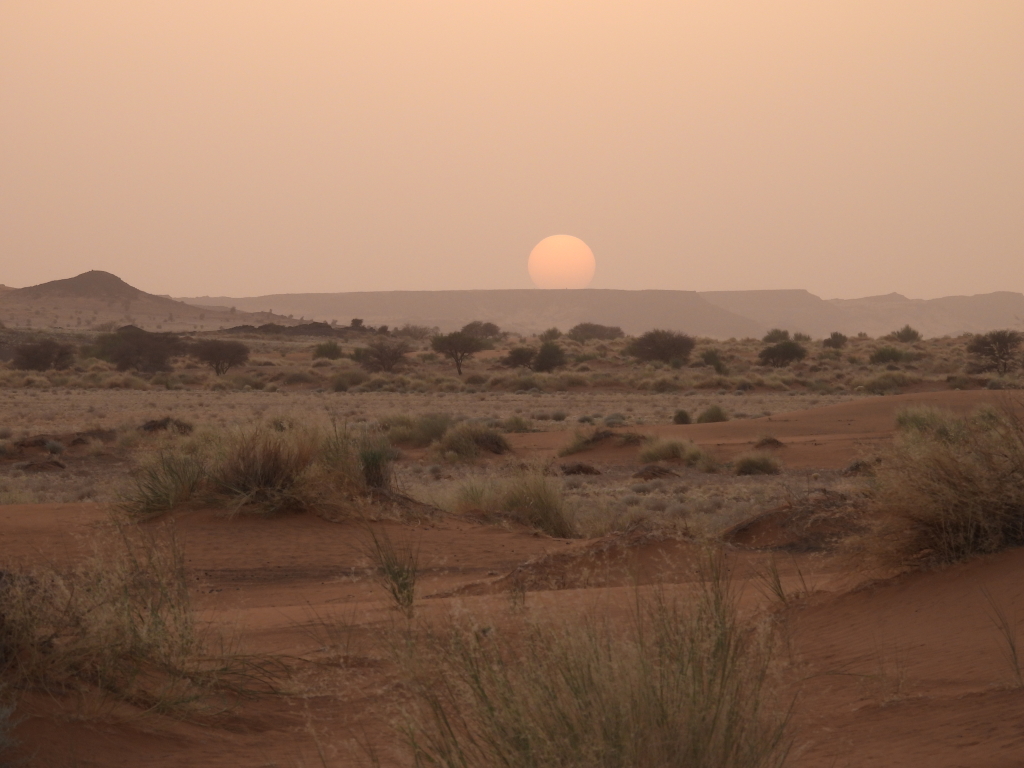
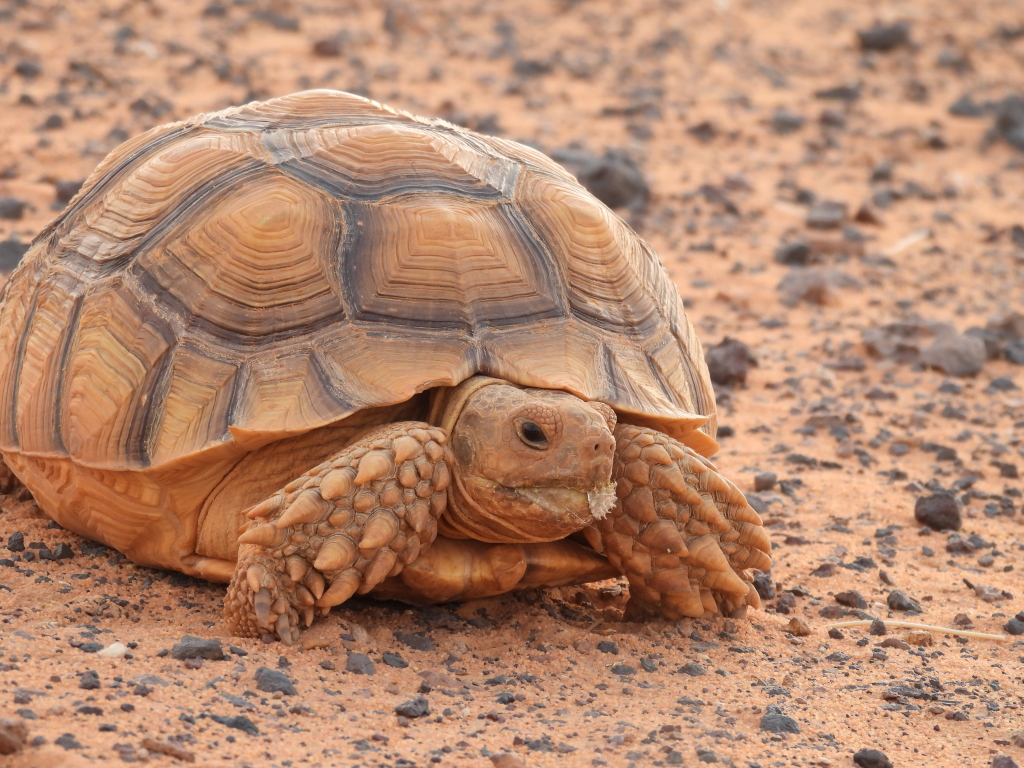
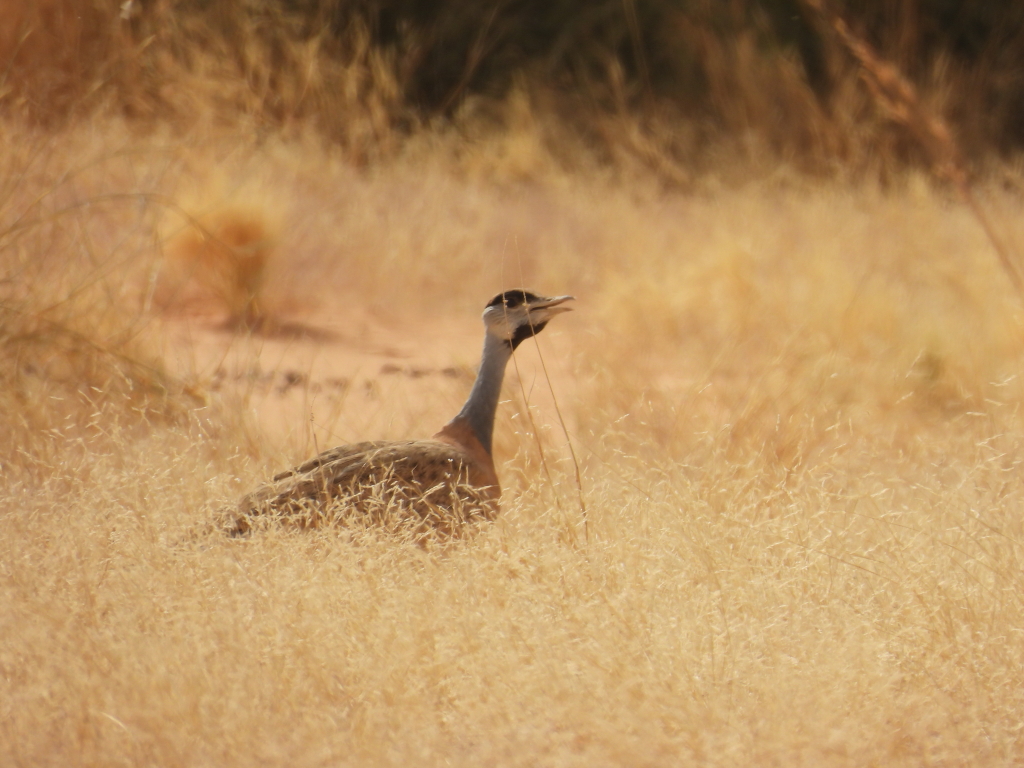
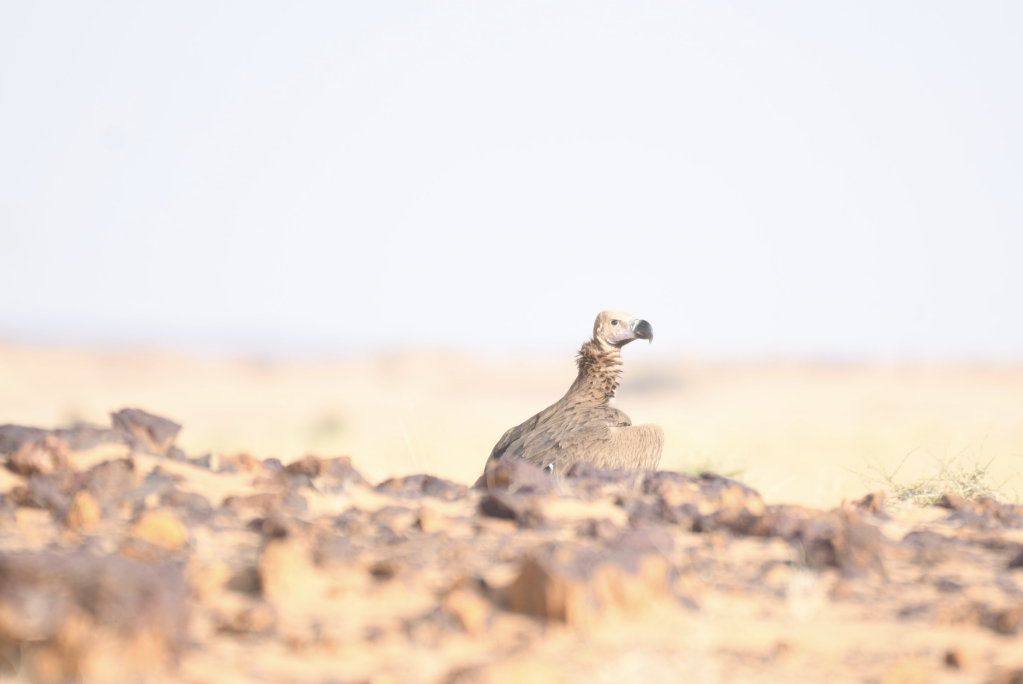
The wonderful wildlife of the Termit massif in Niger
In collaboration with the Protected Area Management Unit of Niger, we resumed joint field missions to assess the state of biodiversity in the Termit massif. Here are some photos from the mission.
Raising awareness across the Aïr’s schools in Northern Niger
Last month, we carried out our first large-scale awareness-raising and community support mission in the Aïr and Ténéré National Nature Reserve (ATNNR) in Niger, in line with the recommendations of the local roadmap for the conservation of dama gazelle in this protected area.
Because younger generations are powerful agents to spread messages throughout their communities, one of our primary objectives was to reach local schools.
We delivered tailored messages introducing students to the dama gazelle, local wildlife, and their surrounding environment, and we distributed and displayed engaging communication materials to reinforce conservation messages within classrooms and school communities.
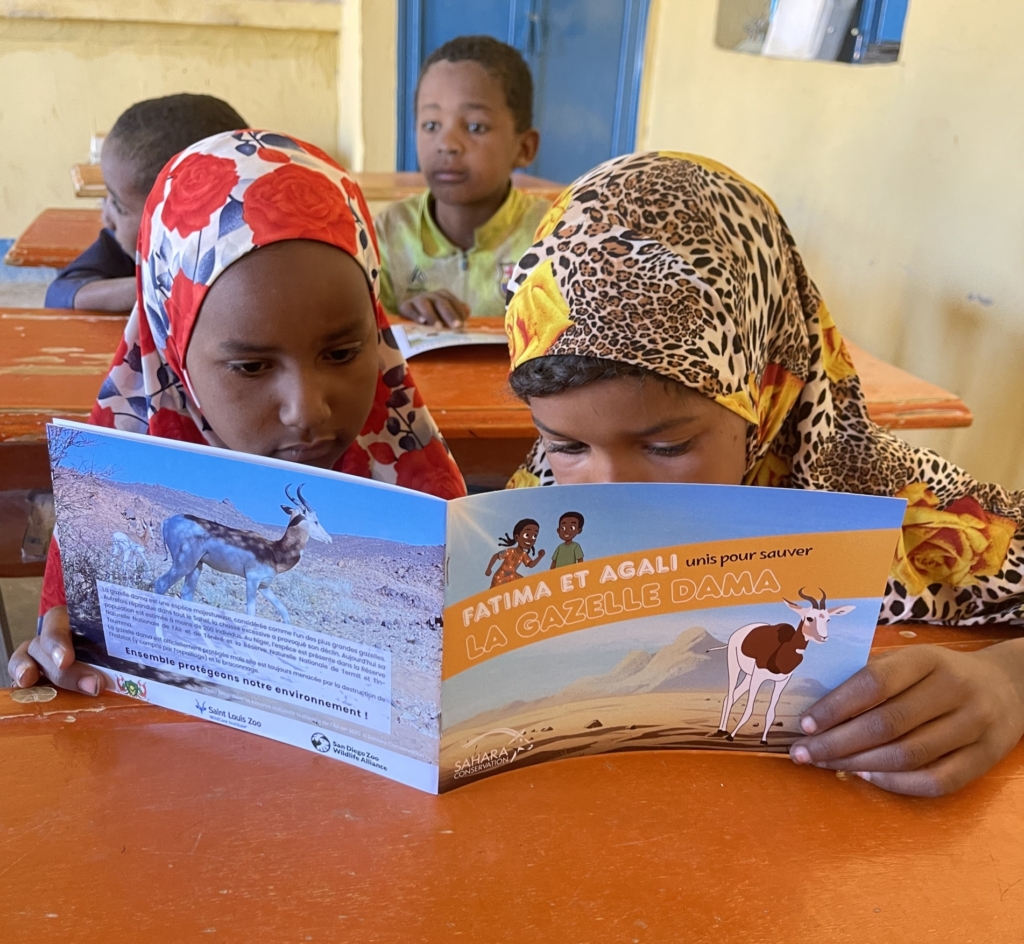
In total, we raised awareness among 422 students across 22 schools about dama gazelle and the urgent need to protect its fragile habitat.
To further support this effort, we also provided school supplies to 375 students, along with educational materials dedicated to local wildlife conservation.
Voices from the field
In this section, we share stories from the field: powerful testimonies from our teams and partners who experience every day the impact of conservation work on wildlife and communities.
Among the many experiences our field teams bring back, Moustapha’s encounter with Fatima stands out as a powerful reminder of why our work matters. Read the article
INSIDE SAHARA CONSERVATION
Board news
We are delighted to welcome Lisa Kelley to Sahara Conservation’s Board of Directors. As Director of the WildCare Institute at our long-standing partner, Saint Louis Zoo, Lisa will bring invaluable expertise and support to our mission.
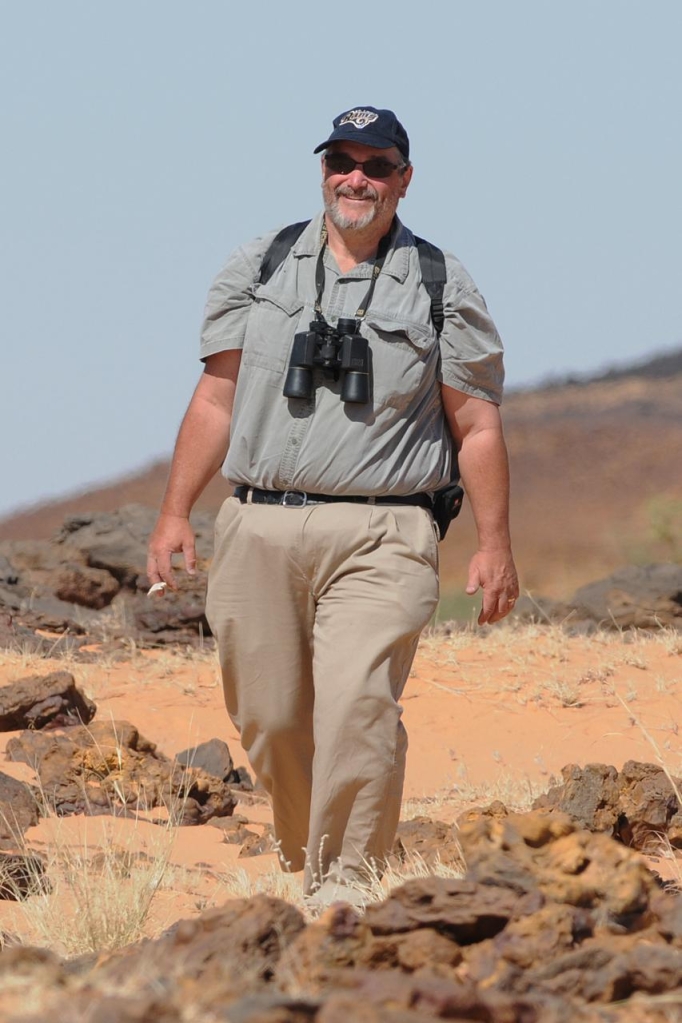
After dedicating more than 40 years to the captive breeding and conservation of antelope species at the Saint Louis Zoo, Bill Houston, one of Sahara Conservation’s founding members, is now heading into a well-deserved retirement.
A long-standing member of the Sahel & Sahara Interest Group (SSIG) since its inception, he also served as a founding member and Vice President of Sahara Conservation’s US Board until 2024.
His passion for Sahelo-Saharan species has been instrumental in driving forward several groundbreaking conservation initiatives.
Sahara Conservation is hiring
We are looking for a Program Officer to support the effective implementation of our projects, particularly in Chad.
Read more and apply on our website
Thank you to our partners and donors
We warmly thank all our partners, supporters, and donors for standing with us. Together, we are putting the Sahel and the Sahara on the conservation map to achieve important outcomes for the wildlife and people of the region, contributing to a healthier planet for all.
Your support matters
Every contribution helps make conservation a reality in the field.
$100 helps monitor an oryx herd in the wild for a week, supporting one of the most ambitious conservation efforts in Africa.